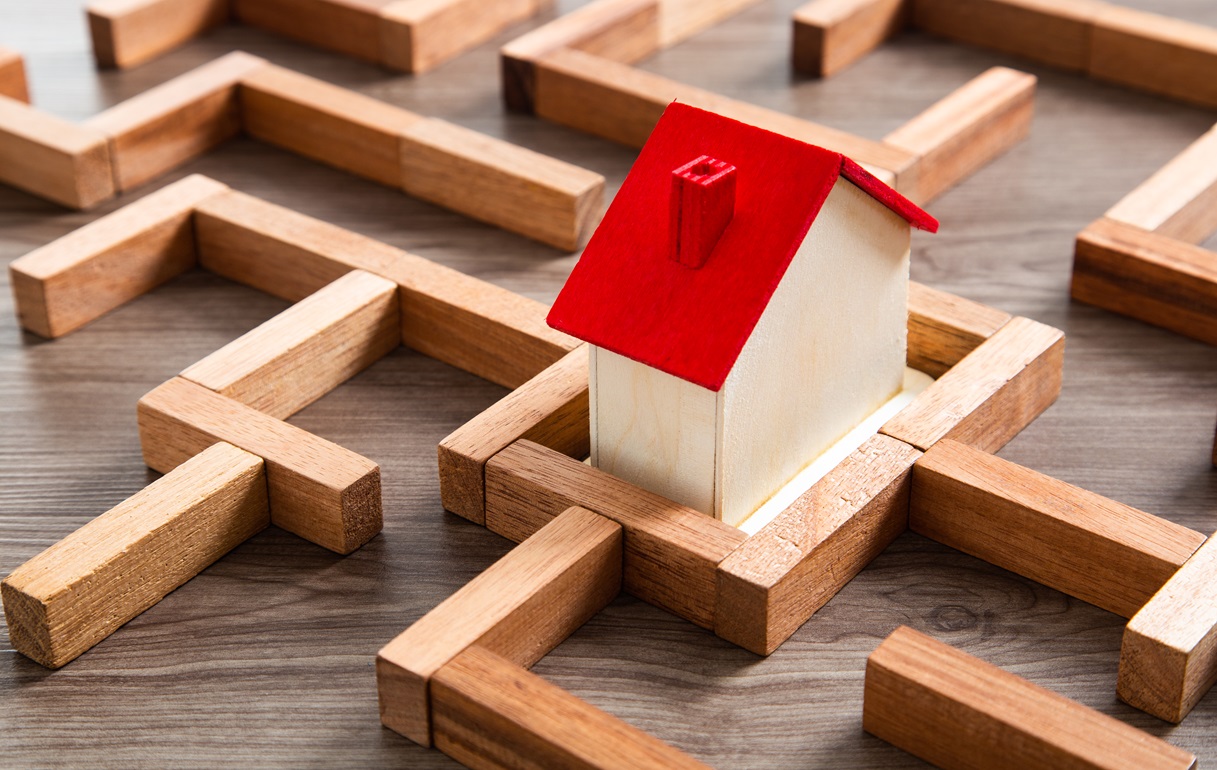
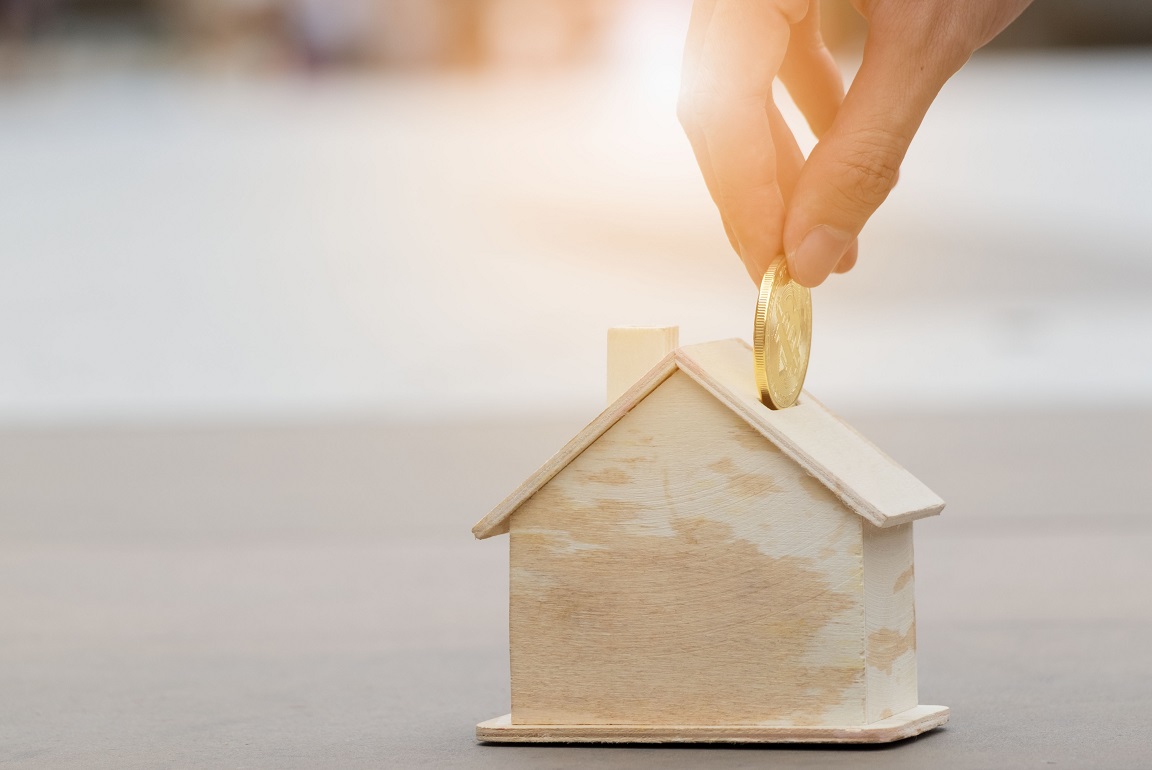
Saving for a down payment can be the hardest part of buying your first house. If you’re not sure where to start, it’s easy to feel overwhelmed. Luckily, it’s easier than you might think.
6 Down Payment Saving Strategies When Buying Your First House
Here are a few proven down payment saving methods to help you out.
1. Look at Assistance Programs
There are many different assistance programs you can enroll in when buying your first house. Look at programs sponsored by your state’s housing authority. You may be able to qualify for grants or low-interest loans to help cover the cost of your down payment.
2. Set Aside Gift Money
If you receive money for holidays, don’t spend it unless you have to. Instead, set it aside in an interest-bearing savings account and use it toward a down payment in the future. It won’t increase your savings dramatically, but every penny helps.
3. Save a Portion of Each Paycheck
When you get paid, try to set aside a portion of each paycheck for your down payment. It can be as much or as little as you want. If you use direct deposit for those paychecks, you can even ask your payroll specialist to send a set percentage of each paycheck to a designated savings account. This will help you keep the money out of sight and out of mind.
4. Refinance Your Student Loans
Student loans take a huge chunk of your monthly income over the course of the year and a huge chuck of each payment goes right toward the interest on the loan. Rather than paying overly high rates, refinance your student loans and save the difference.
5. Save Your Tax Refunds
As a responsible taxpayer, you file your taxes on time each year. If you’re like most, you get at least a small refund at the end of the year. Use this to your advantage. Save those refunds and use them toward a down payment when you’re ready to buy.
6. Create a Firm Budget
When you’re trying to buy a house, you need to set a firm monthly budget. Look at how much you’re bringing in and add up your total monthly expenses. Set aside the money that you have left over each month.
Ready to Start Looking?
If you’re looking into buying your first house, having a larger down payment will make it easier to qualify for a loan. But you’ll still need to find the right lender. Reach out today to discuss your options.